Learning how to write guides that transform complex topics into beginner-friendly content is one of the most valuable skills any content creator can develop. Step by step tutorials and writing instructions demand a specific approach one that prioritizes clarity over cleverness and structure over style.
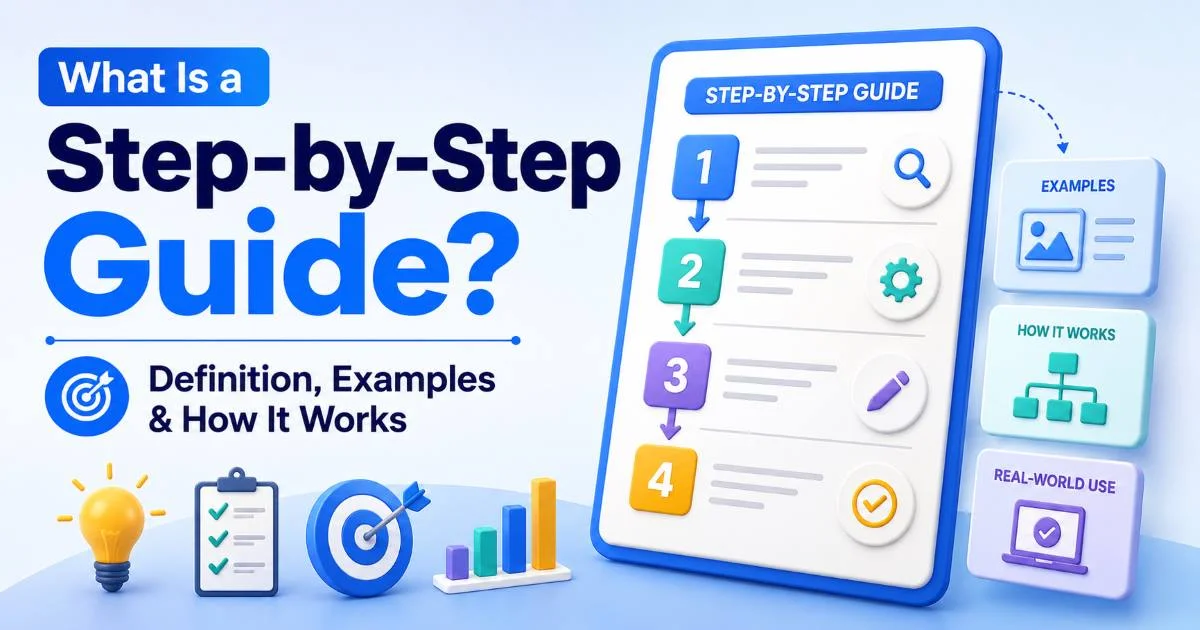
Yet most writers struggle with this. They either assume too much knowledge or oversimplify to the point of being unhelpful. The good news: content creation tips for building beginner guides follow a repeatable process, and once you understand what a step-by-step guide actually is and how it works, the rest falls into place. This article walks you through that exact process in three actionable stages.
Key Takeaways
- Start every guide by identifying what your reader already knows and what they don't.
- Break your topic into sequential steps before you write a single paragraph.
- Use plain language and concrete examples instead of abstract explanations throughout.
- Test your guide with a real beginner to catch gaps you can't see yourself.
Step 1: Research and Understand Your Audience
Before writing a single word, you need to know exactly who your reader is and where they're starting from. A guide on "setting up a WordPress site" looks radically different for a retired teacher than it does for a junior developer. Spend 20 minutes reading forum posts, Reddit threads, or Quora questions related to your topic. Note that the specific language beginners use in their vocabulary reveals their knowledge level, and mirroring it builds immediate trust.
Once you've gathered real questions from real beginners, sort them into categories: what they already understand, what confuses them, and what they don't even know to ask about. That third category is where the best guides shine. For example, someone learning to bake bread might not think to ask about ambient temperature affecting dough rise, but a great guide addresses it proactively. This kind of anticipation separates average content from truly helpful writing instructions.
Read also How AI Content Generators Improve SEO Blog Posts
Map the Knowledge Gap
Create a simple two-column document. On the left, list every concept your topic requires. On the right, mark each one as "likely known" or "needs explanation." This knowledge gap map becomes your blueprint. If you're writing about email marketing, a beginner probably knows what email is but may not understand segmentation, open rates, or A/B testing. Every item marked "needs explanation" must be defined clearly within your guide, ideally the first time it appears. This exercise typically takes fifteen minutes and saves hours of revision later.
Search "beginner mistakes in [your topic
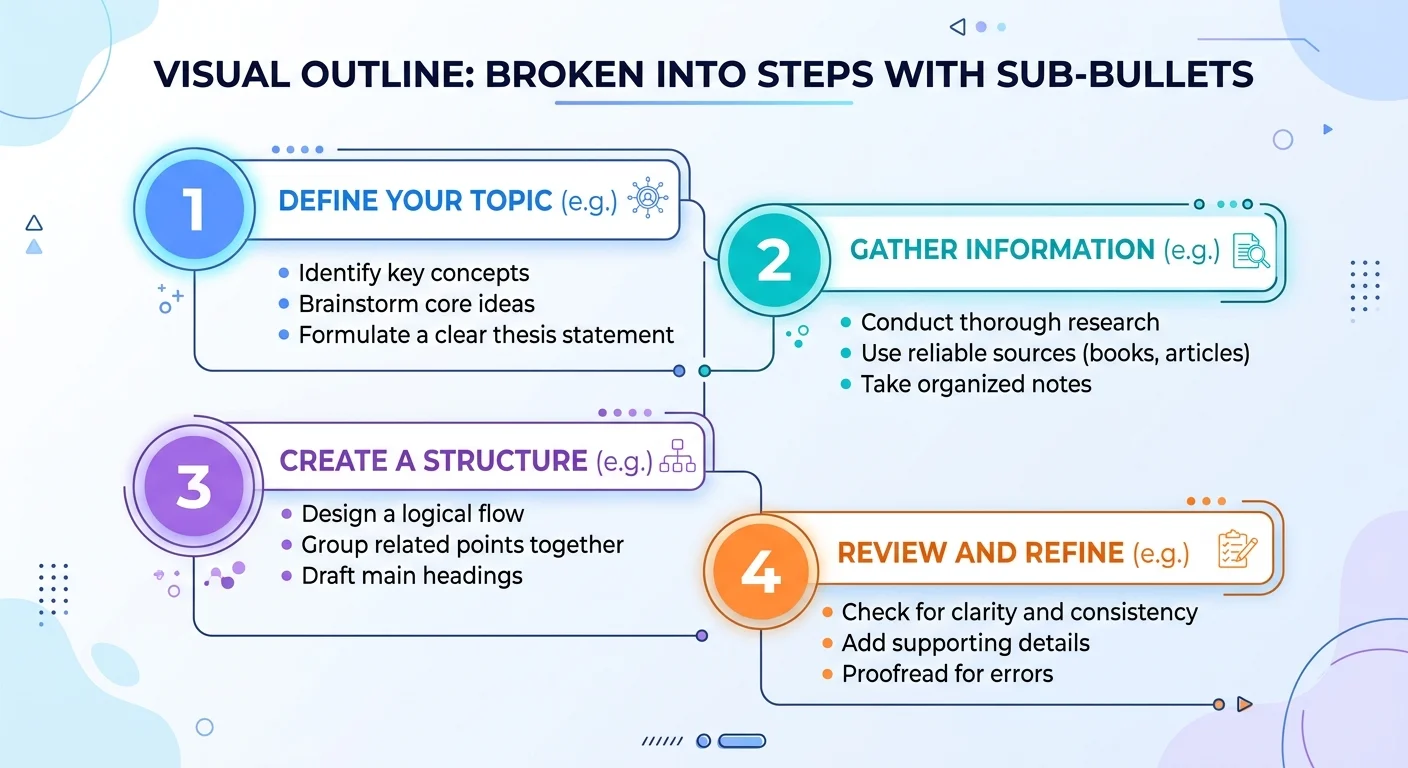
Step 2: Build a Logical Step-by-Step Structure
The backbone of any beginner's guide is its structure. You need to arrange your content in a sequence that matches how someone would actually perform the task, not how an expert thinks about it. Start by listing every action required to complete the goal. Then order them chronologically. If one step depends on another, they must appear in that dependency order. This sounds obvious, but writers routinely group steps by theme rather than sequence, which confuses newcomers who need a linear path.
Each step should accomplish one clear outcome. If a step contains two distinct actions, say, "install the plugin and configure the settings," split it into two separate steps. Readers need to feel a sense of progress, and completing smaller steps builds confidence faster. Aim for between five and twelve steps for most topics. Fewer than five usually means your steps are too broad; more than twelve suggests you're covering too much ground for a single guide. If you want more details on structuring instructions effectively, this resource on writing clear step-by-step instructions for beginners covers the fundamentals thoroughly.
Choose the Right Format
Not every guide works best as a numbered list. Some topics benefit from a hybrid approach numbered steps for the core process, with bulleted sub-points for options or variations. Understanding how step-by-step guides differ from tutorials helps you pick the right format. A recipe works as a pure numbered set of steps. Setting up a home office might need a checklist format because tasks can happen in any order. Match your format to the task's natural logic, and your readers will follow along without friction.
| Topic Type | Best Format | Example |
|---|---|---|
| Linear process | Numbered steps | Setting up a new phone |
| Flexible tasks | Checklist | Preparing for a job interview |
| Concept explanation | Sections with examples | Understanding SEO basics |
| Tool comparison | Table + narrative | Choosing a project management app |
Step 3: Write With Clarity and Test With Real Readers
Now comes the actual writing, and the golden rule is this: use the simplest language that remains accurate. Replace "utilize" with "use." Replace "subsequently" with "then." Every sentence should move the reader forward. Aim for a Flesch-Kincaid reading level between 6th and 8th grade, not because your readers lack intelligence, but because clear writing respects their time. According to research on ways technology improves online learning, accessible language consistently outperforms complex phrasing in comprehension and retention metrics.
"The best guide isn't the one that covers everything — it's the one a beginner can actually finish."
Concrete examples do more work than abstract explanations ever will. Instead of writing "organize your files logically," write "create three folders: Invoices, Contracts, and Receipts." Instead of "choose an appropriate tool," write "open Canva and select the Instagram Post template." Specificity eliminates guesswork. Pair these examples with screenshots or brief descriptions of what the reader should see at each stage. When following content creation tips for writing engaging how-to guides, you'll find that specificity is the single biggest factor in reader satisfaction and search performance.
Run a Beginner Test
Before publishing, hand your guide to someone who matches your target audience. Watch them follow it without offering help. Every point where they pause, squint, or ask a question reveals a gap in your writing. This ten-minute test catches problems that weeks of self-editing won't. If you don't have access to a real beginner, read each step aloud and ask yourself: "Could I follow this if I knew absolutely nothing about the topic?" Be ruthlessly honest. The discomfort of rewriting a confusing section is always worth the payoff in reader trust.
Never skip the beginner test. Writers consistently overestimate how clear their instructions are — your expertise blinds you to gaps.
If your guide covers a topic that changes frequently — like software interfaces or platform policies — add a "Last Updated" date at the top so readers know the information is current.
Frequently Asked Questions
?How do I build a knowledge gap map for my guide?
?Is a knowledge gap map necessary if my topic seems simple?
?How long does researching a beginner audience actually take?
?What's the biggest mistake writers make with beginner guides?
Final Thoughts
Turning any topic into a clear beginner's guide comes down to three commitments: understanding your reader's starting point, building a logical structure, and writing with ruthless clarity. The process isn't glamorous, but it works every time. Test with real beginners, revise what confuses them, and remember that your goal isn't to impress, it's to help someone accomplish something they couldn't do before.
Disclaimer: Portions of this content may have been generated using AI tools to enhance clarity and brevity. While reviewed by a human, independent verification is encouraged.